 REEL
REEL
Kubrick lit Barry Lyndonwith candles.Here's what he was really illuminating.
A weekly letter for people who pause films to study the frame. Cinema analysis written in the language of those who make it.
"The first time I understood cinema,
I was watching a door close."
It was the final shot of The Searchers. John Wayne framed in a doorway, the desert behind him, civilization ahead — and then the door swings shut on him. Excluded. Ford held that composition for four seconds. I rewound it eleven times.
I wasn't watching a western anymore. I was watching a director use architecture as psychology, light as judgment, negative space as the entire point. That was 2009. I've been annotating frames ever since.
Reel started because I kept sending long emails to one friend about scenes nobody was writing about the right way. Now I send them to a few thousand people who understand why that matters.

Marcus Ellroy
Editor, Reel — Since 2021
Past Issues
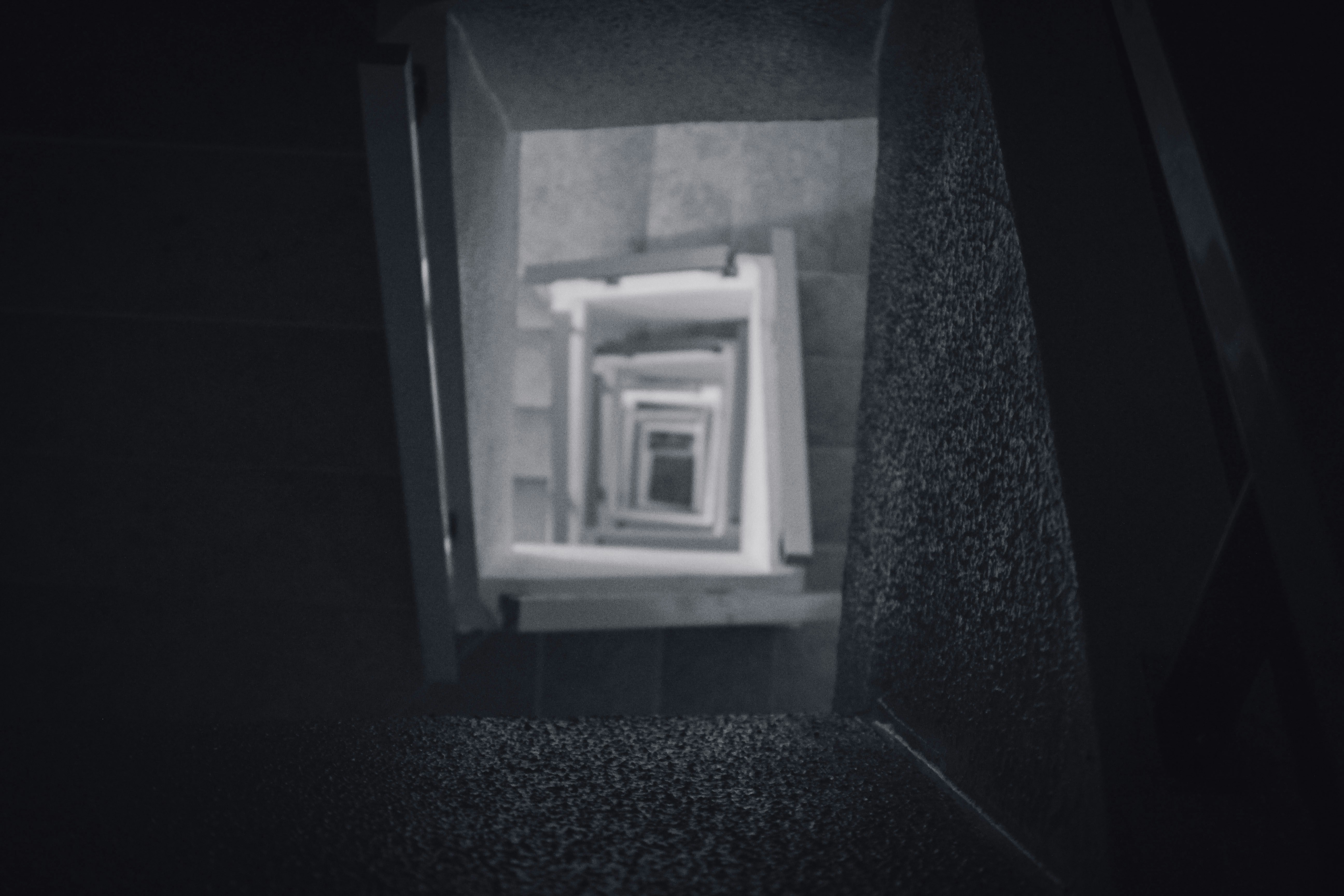
The Dolly Zoom and the Architecture of Dread
Hitchcock didn't invent it in Vertigo — he perfected it. How a single optical trick rewired the grammar of psychological horror.
Moonlight's Color Grammar: How Jenkins Split One Film Into Three Palettes
Barry Jenkins and DP James Laxton didn't grade Moonlight — they color-coded a psychology. The shift halfway through isn't a stylistic choice. It's a confession.
The Single-Take Hallway: What Oldboy's Corridor Fight Actually Costs
Park Chan-wook and choreographer Hwang Woo-seung spent five days shooting three minutes. The exhaustion is the point.
I've been a film editor for twelve years. Reel is the only newsletter I read the morning it lands.
Priya Nair
Film Editor, Mumbai
Tarkovsky's Long Take: Why Boredom Is the Point
In Stalker, a four-minute shot of three men sleeping isn't patience — it's a demand. Tarkovsky believed the audience needed to earn the next frame.
Wong Kar-wai's Blurs: Intimacy as a Function of Frame Rate
Step-printing in Chungking Express wasn't a budget workaround. It was Christopher Doyle solving the problem of how loneliness actually looks.
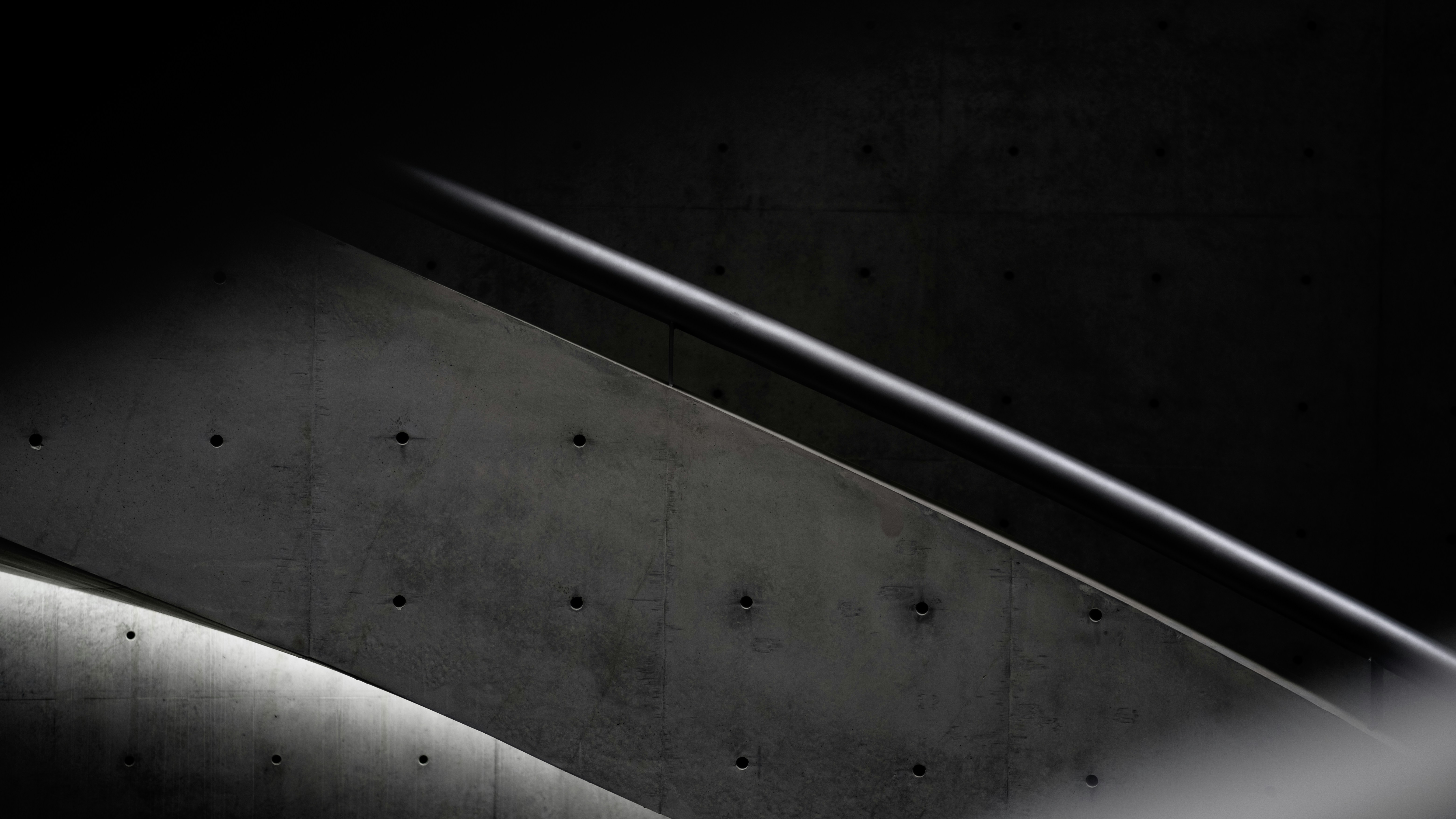
Parasite's Staircase: Bong's Vertical Metaphor
Every scene in Parasite is about altitude. The Parks live up. The Kims live down. The staircase isn't a set piece — it's the entire thesis.
The Barry Lyndon issue changed how I talk about available light to my students. I assigned it.
James Whitfield
Cinematography Professor, AFI
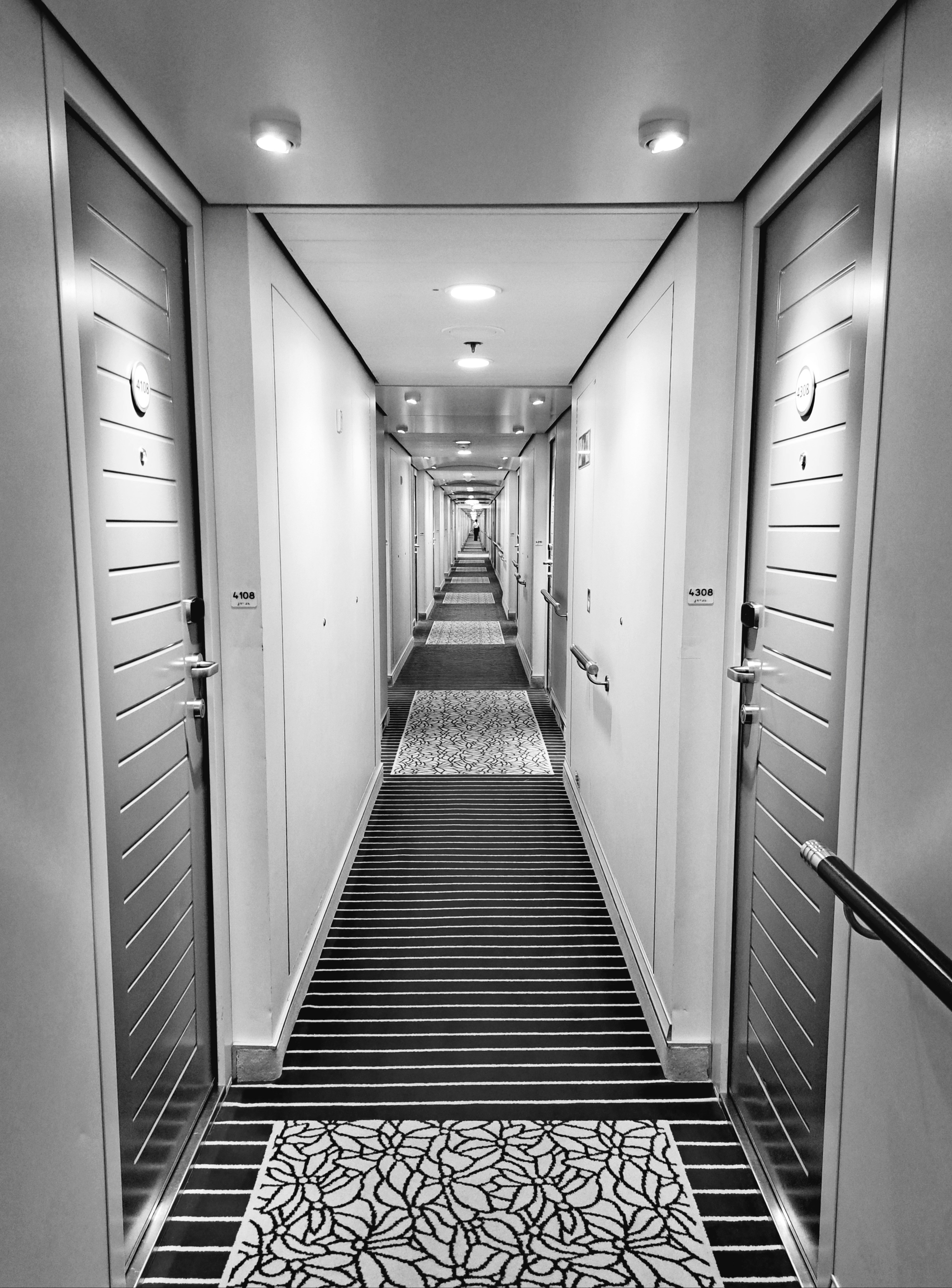
Kubrick's One-Point Perspective: The Corridor as Threat
The Shining's hallways aren't scary because something is in them. They're scary because Kubrick trained your eye to expect something at the vanishing point.
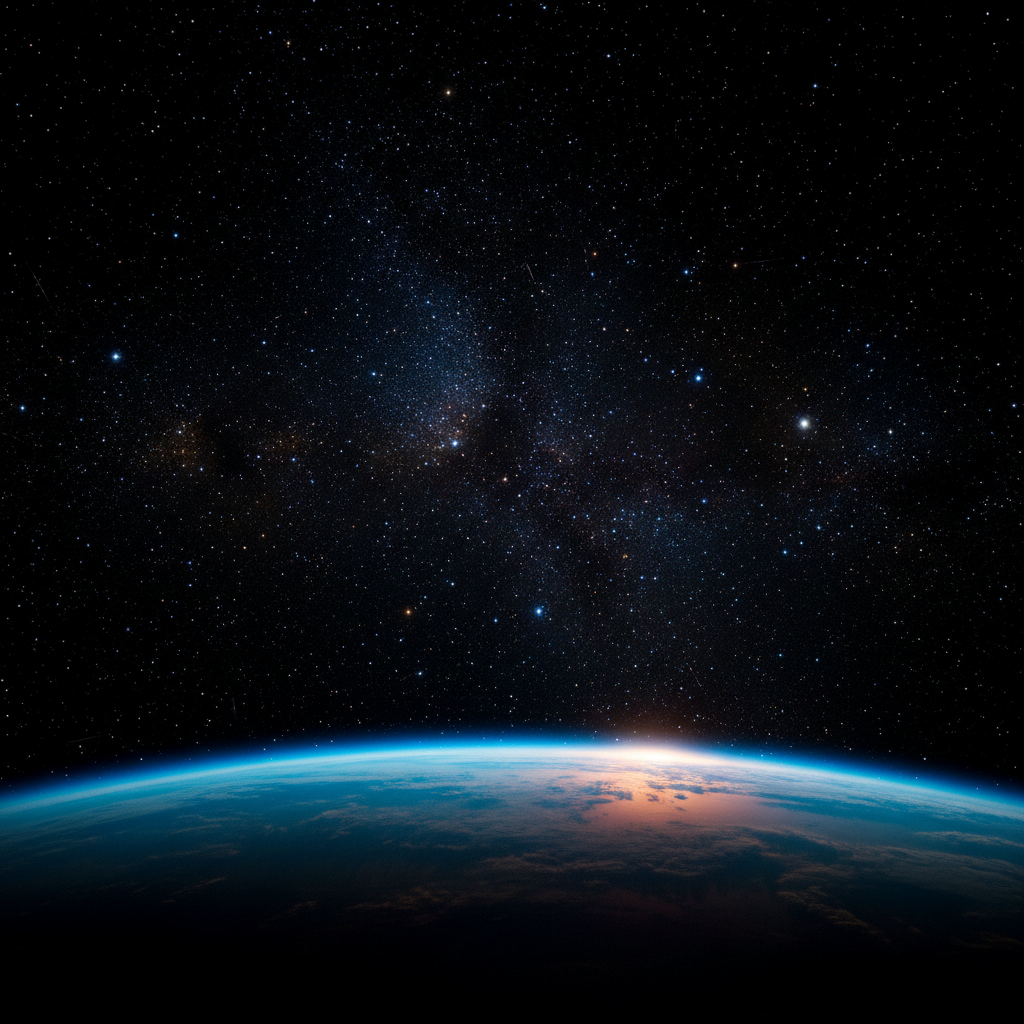
Gravity's Silence: Cuarón and the Physics of Absence
Emmanuel Lubezki solved a problem no cinematographer had faced: how do you light a set that is the sun? The answer changed how we shoot everything in space.
Start Here
Five analyses that show the range. If any one of these makes you pause a film tonight, you belong here.
The Kubrick Stare: What a Camera Angle Does to a Character's Soul
From Alex in A Clockwork Orange to Jack in The Shining — why Kubrick's low-angle upward look is the most efficient shorthand for moral collapse in cinema history.
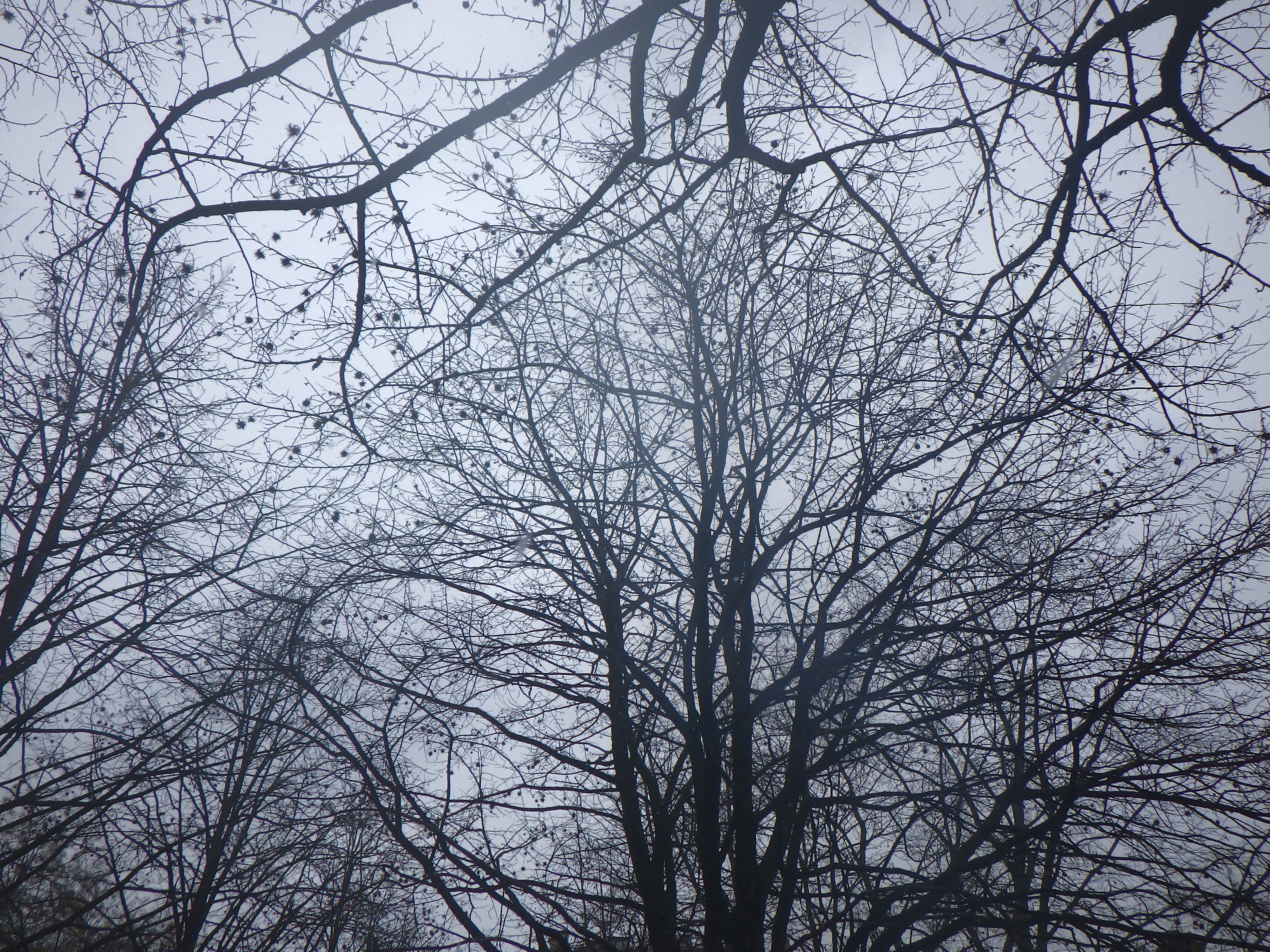
How Chivo Lit The Revenant With Nothing But the Sky
Emmanuel Lubezki refused artificial light for an entire feature. The schedule was brutal, the insurance was impossible, and the result was the most beautiful film of the decade.

Sound Design in No Country for Old Men: The Film That Chose Silence
Joel and Ethan Coen and sound designer Skip Lievsay made a western with almost no score. Every ambient sound is doing the work that music usually does.
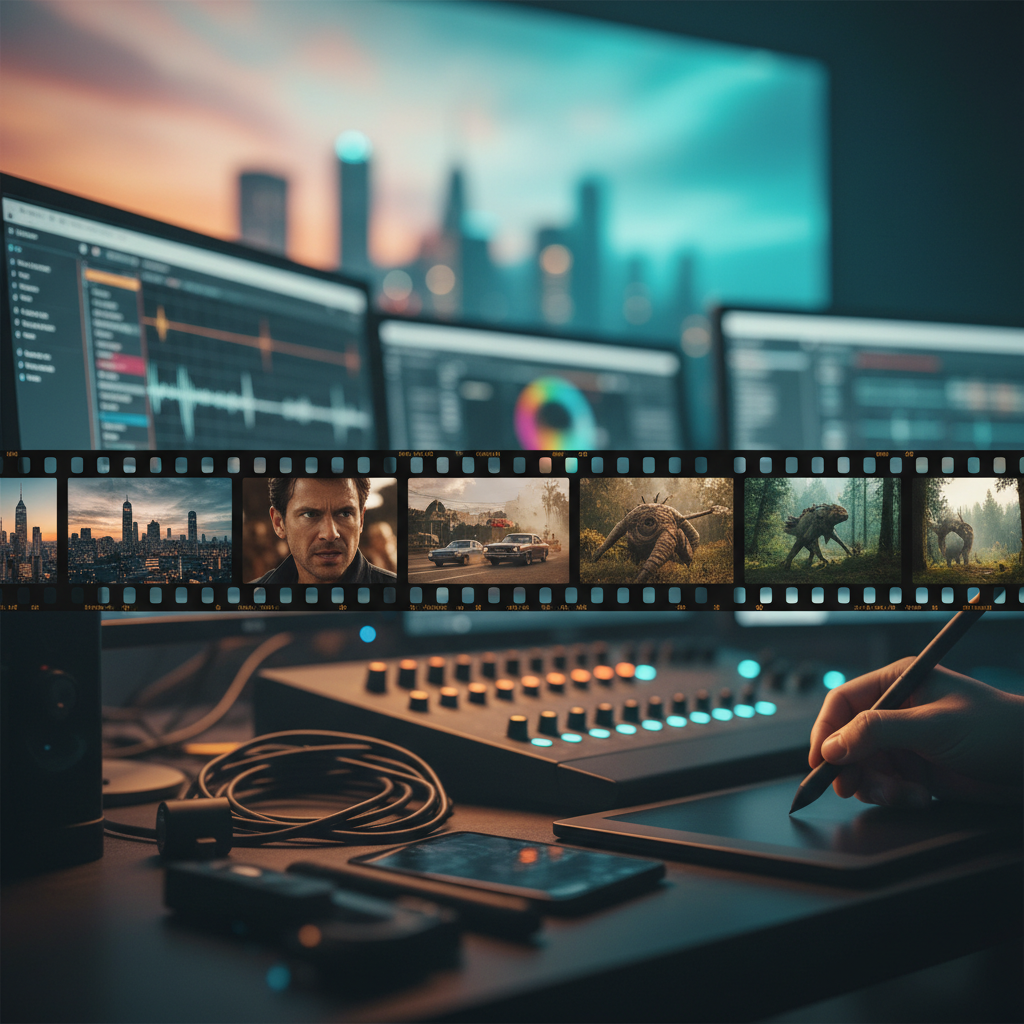
The Jump Cut: Why Godard's "Mistake" Became Cinema's Most Stolen Move
Breathless had continuity errors. Then Jean-Luc Godard decided to keep them — and accidentally invented the visual language of anxiety, memory, and modernity.
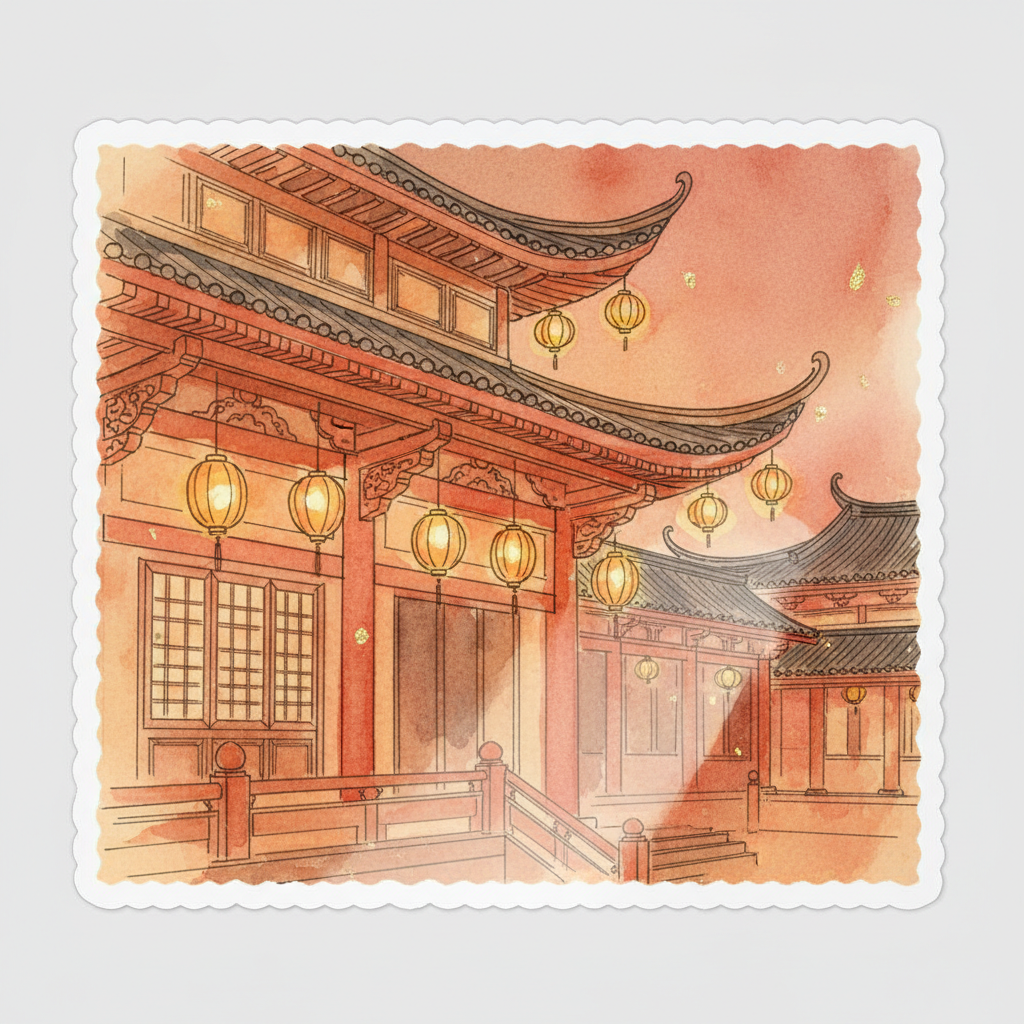
Spirited Away's Background Paintings: When Stillness Does the Storytelling
Studio Ghibli's background artists painted 1,440 individual frames for Spirited Away. How Hayao Miyazaki uses environment as emotional biography.
Read Before You Commit
Three full issues, free. The subscribe button comes after. That's the deal.
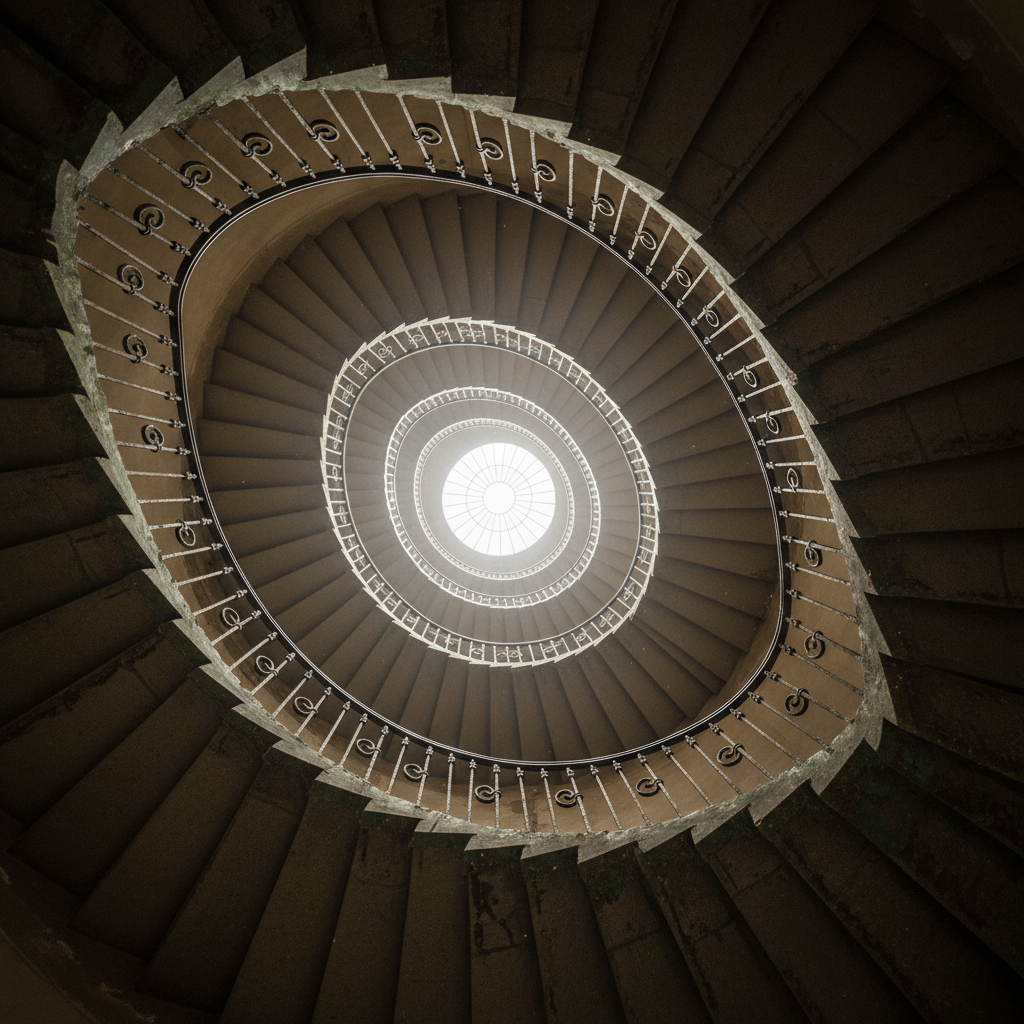
The Dolly Zoom and the Architecture of Dread
What the camera is doing
The dolly zoom — also called the Vertigo effect, the trombone shot, or simply the push-pull — is a simultaneous zoom and dolly move in opposite directions. As the camera physically moves toward the subject, the lens zooms out (or vice versa). The result: the subject stays the same size in the frame while the background appears to stretch, compress, or rush toward the viewer.
Why it works on the nervous system
Your brain processes two contradictory signals at once. The subject is stable — the anchor of your visual field — but the world around them is behaving impossibly. This creates a specific kind of cognitive dissonance that reads, at a neurological level, as dread. Not fear of something specific. Fear that the geometry of reality has become unreliable.
Hitchcock understood this before he had the language for it. In Vertigo, he used the shot not to show us what Scottie sees — but to show us what Scottie feels. The staircase doesn't just look taller. It looks like it's becoming taller.
What Spielberg stole and why he was right to steal it
When Spielberg used the move in Jaws — Brody on the beach, watching a child in the water — he inverted the emotional logic. Hitchcock used it to express internal collapse. Spielberg used it to express the moment before external catastrophe. The subject isn't falling apart. The world is about to fall apart around them.
The genius is in the casting of the shot: we've already been trained by decades of film grammar to read the dolly zoom as a sign that something psychologically devastating is about to happen. Spielberg weaponized that conditioning. The move's history became part of its meaning.
— The full issue continues with close readings of Rope, Goodfellas, and Requiem for a Dream. —
This is what every issue reads like.
Every week, a new scene. A new technique. A new reason to pause the film.
Every Sunday. One scene. Completely taken apart.
Free. Unsubscribe whenever. No algorithm, no ads.
4,800 subscribers · Issue #48 arrives Sunday